


Clinical challenge & solution
Bone grafting requires stability
from the first minute.
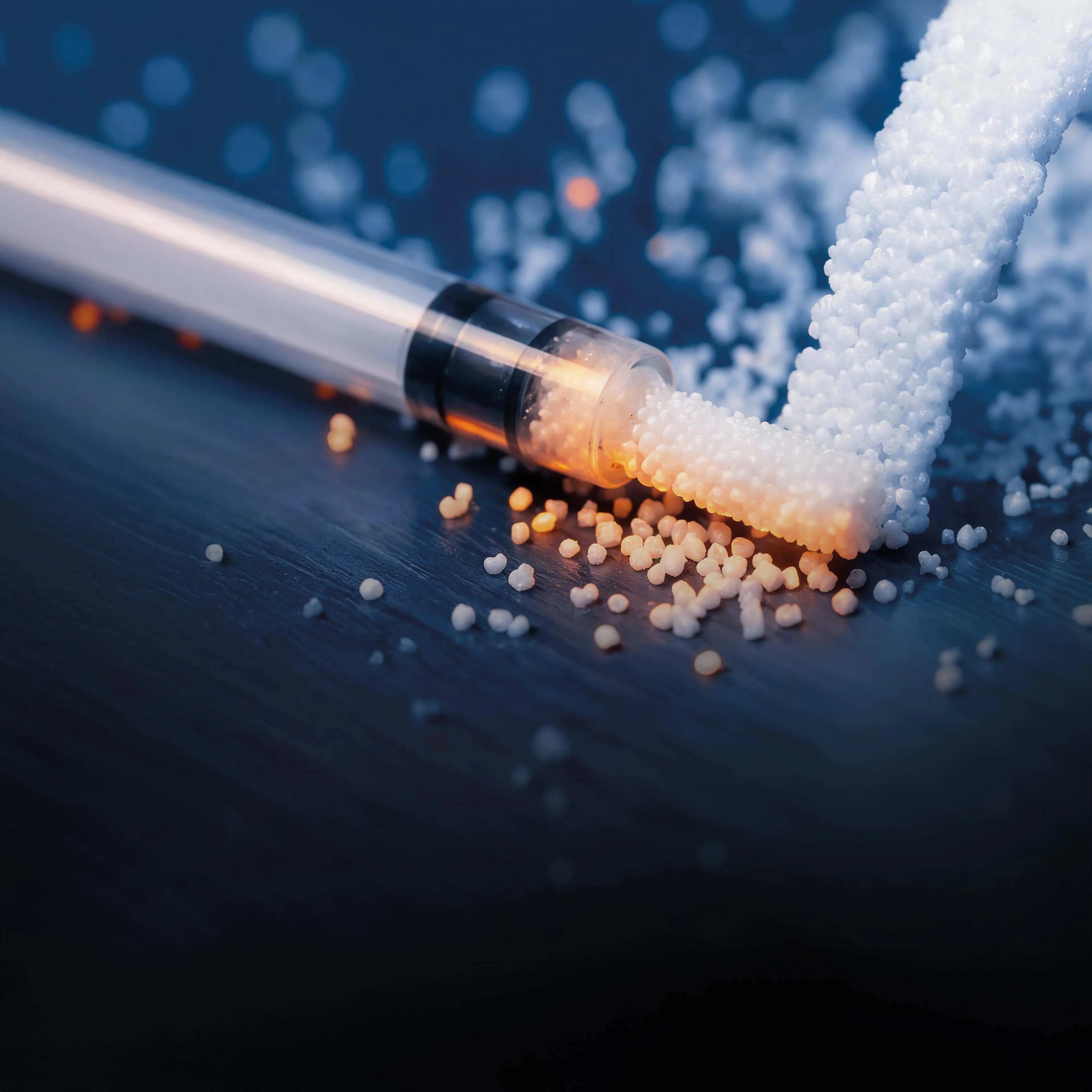
In dental and maxillofacial bone regeneration, graft stability is critical for predictable healing. Conventional granules may migrate, collapse or require additional containment, increasing complexity and variability. GUIDOR® easy‑graft was developed to address these challenges by combining simple handling with controlled in-situ hardening, creating a stable scaffold directly at the defect site.
A graft that adapts during placementy
and stabilizes where it matters.
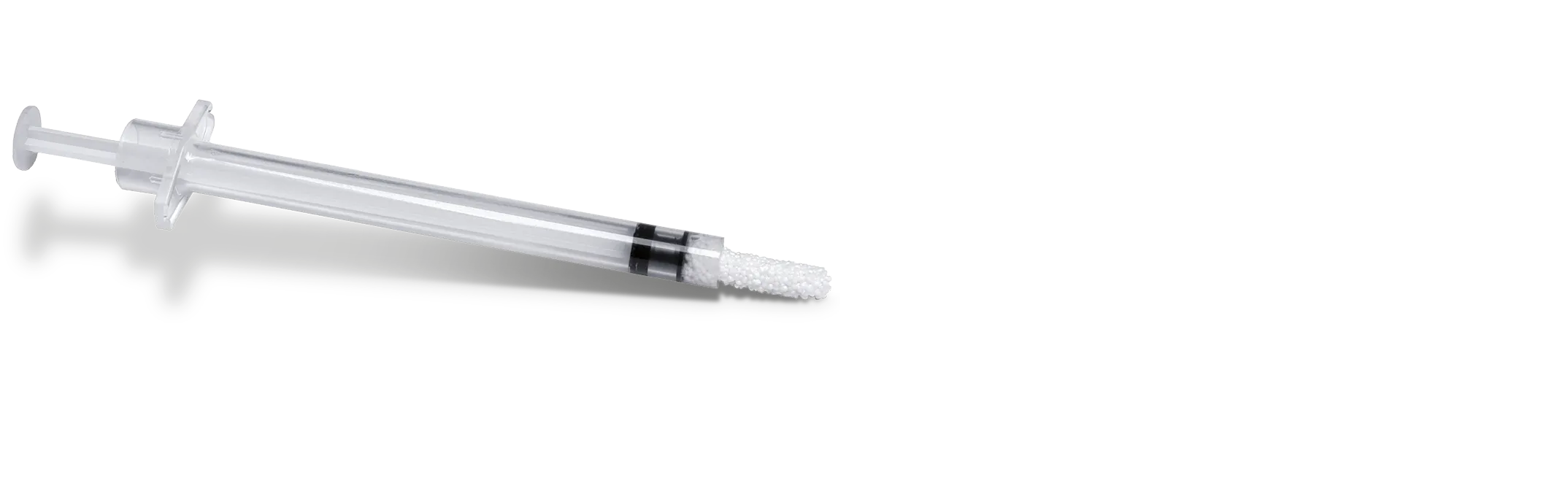
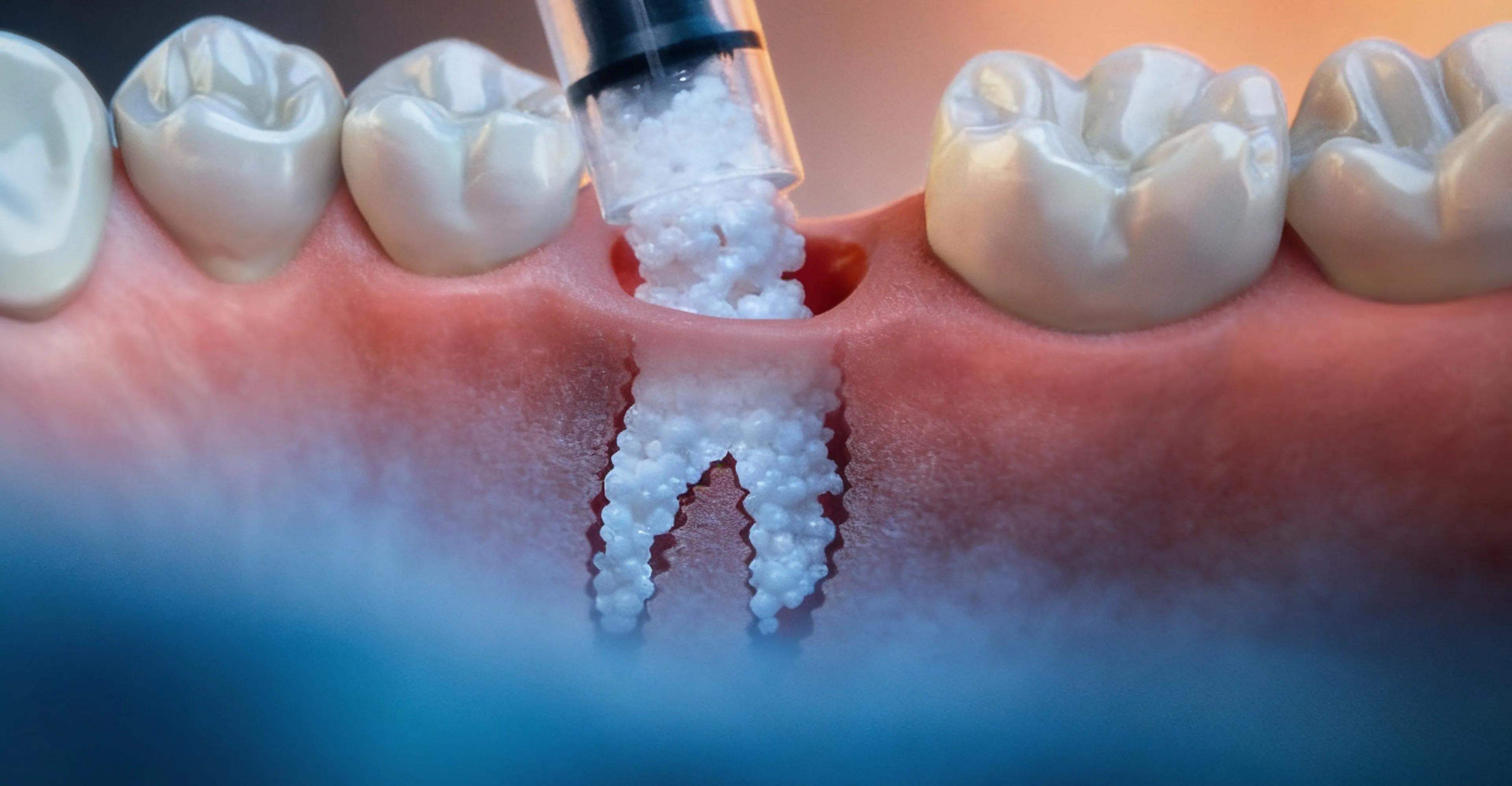
GUIDOR® easy‑graft is moldable during application and hardens in situ upon contact with blood or body fluids. This controlled transition allows precise defect filling while supporting early stability of the grafted site. Within approximately one minute, the material forms a cohesive, porous scaffold of interconnected calcium phosphate granules, supporting predictable bone regeneration.
Indications & material options
Designed for predictable regeneration
in mostly unloaded, preferably multi-walled defects.
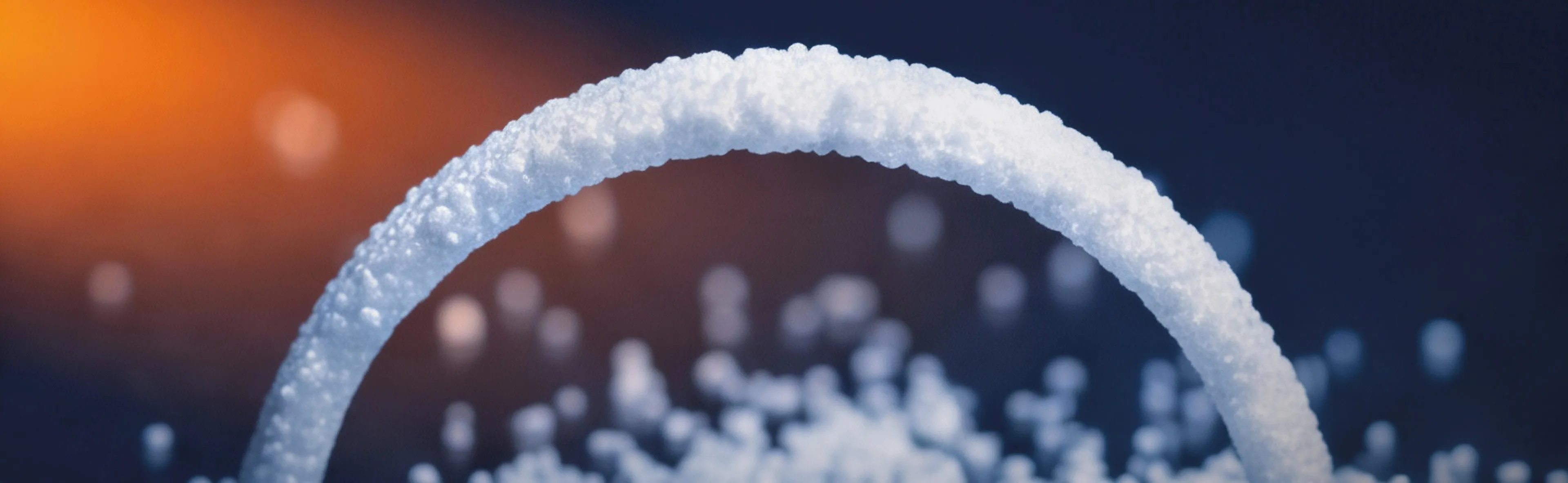
GUIDOR® easy‑graft CLASSIC / CLASSIC+ and CRYSTAL+ are intended for dental and maxillofacial bone defects where stable graft placement and controlled regeneration are required.
Which easy‑graft material
fits your clinical goal?
GUIDOR® easy‑graft is available in two distinct calcium phosphate compositions (CLASSIC / CRYSTAL) and two granule forms (easy-graft / easy-graft+), allowing clinicians to select the most appropriate resorption profile for each clinical indication.
Fully resorbable
CLASSIC / CLASSIC+
GUIDOR® easy‑graft CLASSIC / CLASSIC+ consists of phase-pure ß-tricalcium phosphate. The material is fully resorbed within approximately 5 to 15 months, with no synthetic graft material remaining in the body.
Partially resorbable
CRYSTAL+
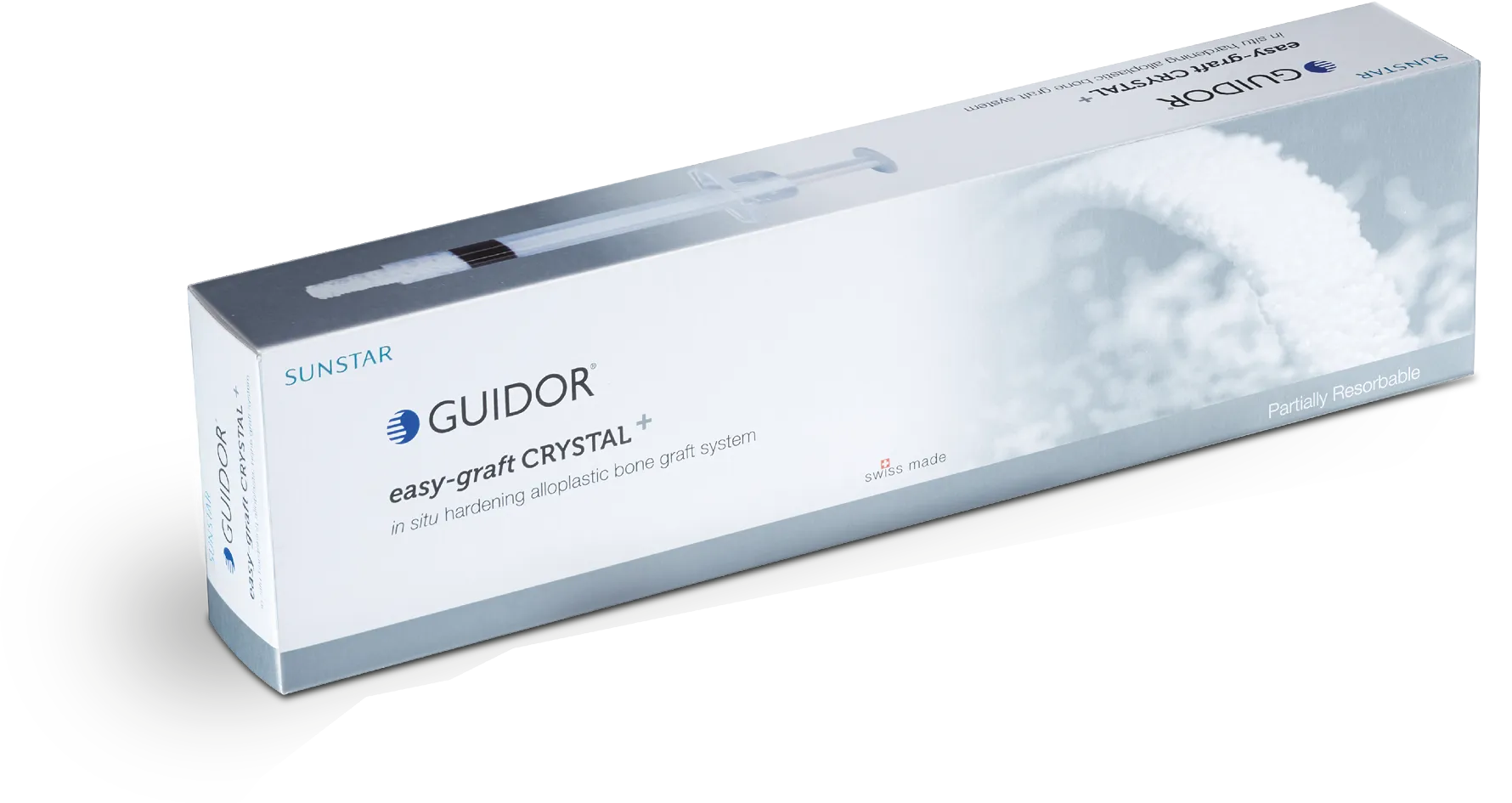
GUIDOR® easy‑graft CRYSTAL+ consists of biphasic calcium phosphate (60 % hydroxyapatite, 40 % ß-TCP). The hydroxyapatite component serves as a stable scaffold that becomes embedded in newly formed bone, supporting long-term volume preservation.


Enhanced bone formation
CLASSIC+ / CRYSTAL+
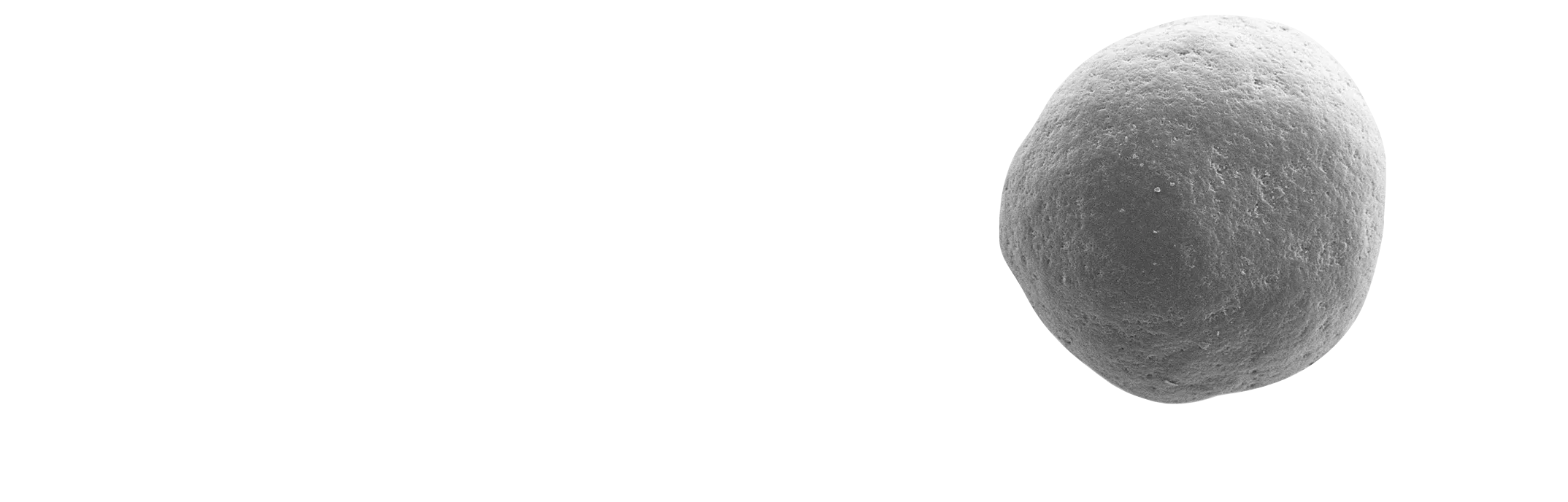
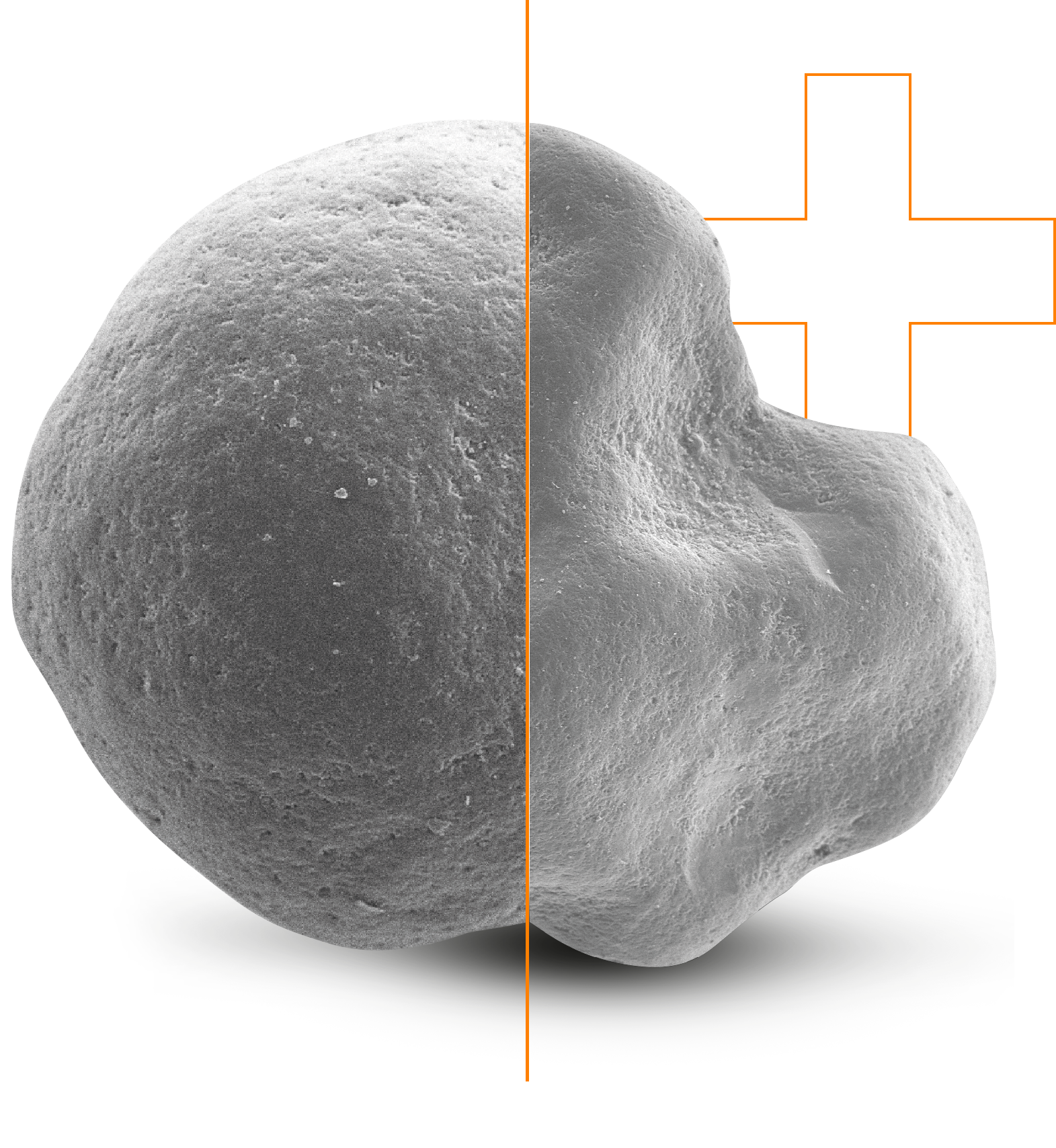
Building on the original round granule design, the CLASSIC+ and CRYSTAL+ versions feature irregular-shaped granules, increasing intergranular space and promoting enhanced new bone formation.
Curious how GUIDOR® easy‑graft can transform your bone grafting?
Get in touch and learn more about its mouldable granules, stable scaffold and high porosity for predictable results.
Contact us!Step-by-step application
Simple, controlled workflow.
Add BioLinker
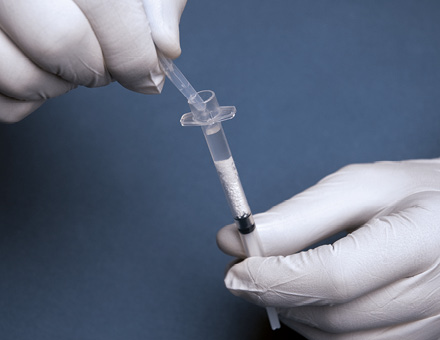
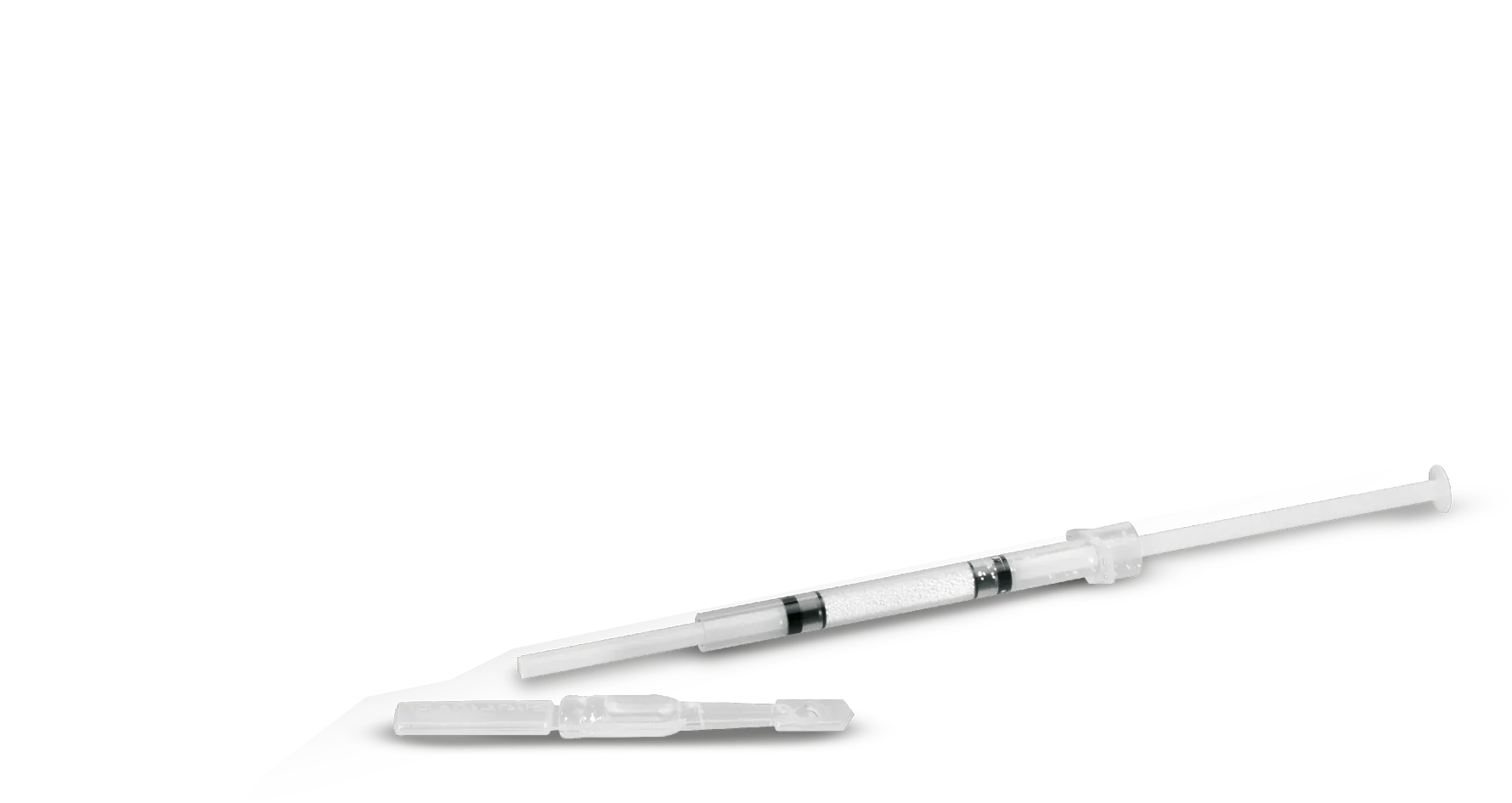
Add the supplied BioLinker to the syringe containing the granules.
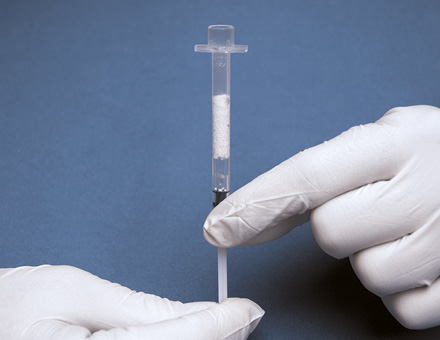
Activate the granules
Gently move the plunger back and forth 1 – 3 times to achieve uniform wetting.
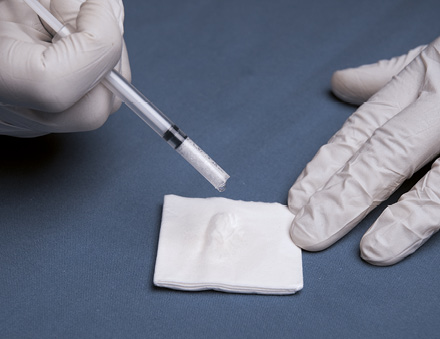
Apply directly
Apply the moldable material directly into the defect site.
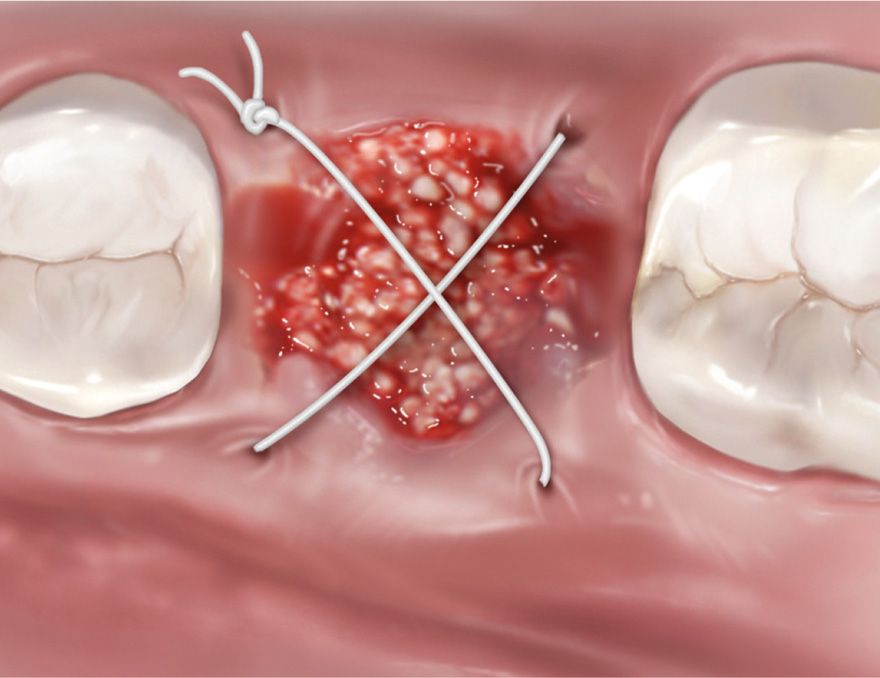
In-situ hardening
Upon contact with blood, the material hardens in situ, forming a stable scaffold.
How it works
Three integrated components
one predictable outcome.
GUIDOR® easy‑graft combines three complementary components that work together to ensure stable graft placement and controlled regeneration:
Calcium Phosphate Granules
Osteoconductive scaffold supporting bone regeneration.
PLGA Polymer Coating
Temporarily binds granules into a cohesive, moldable mass and is gradually resorbed.
BioLinker-N-Methyl-2-pyrrolidone (NMP)
Temporarily softens the polymer coating during application and is rapidly eliminated after placement.
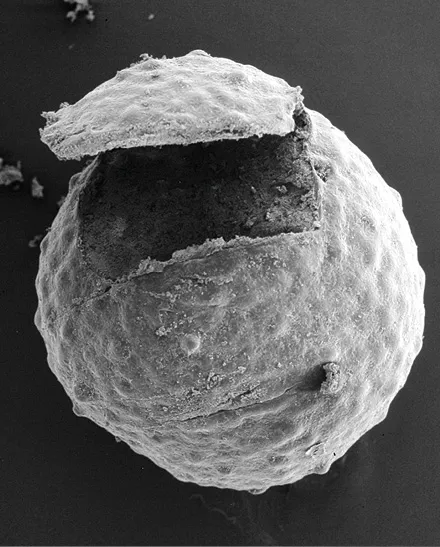
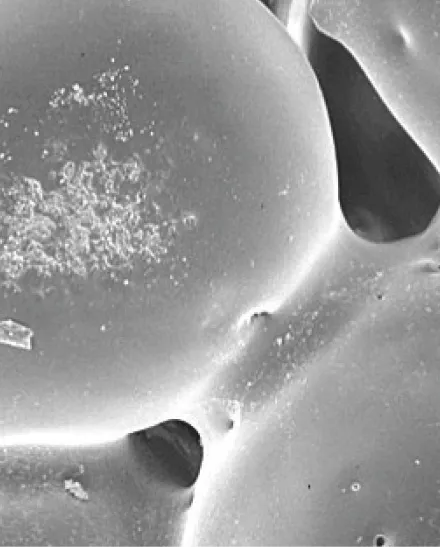
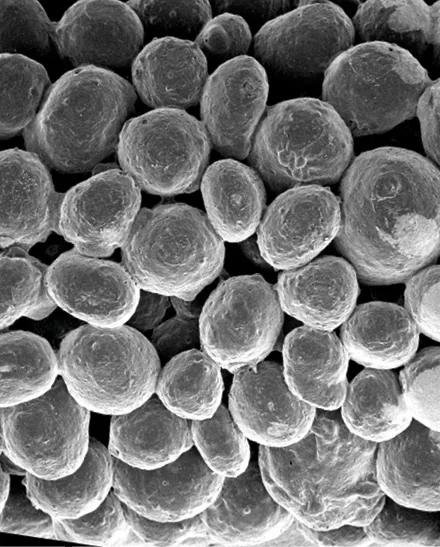
Each granule is pre-coated with PLGA.
When the supplied BioLinker is added to the syringe contents it softens the polymer coating of the granules creating a sticky yet mouldable mass.
Removal of BioLinker
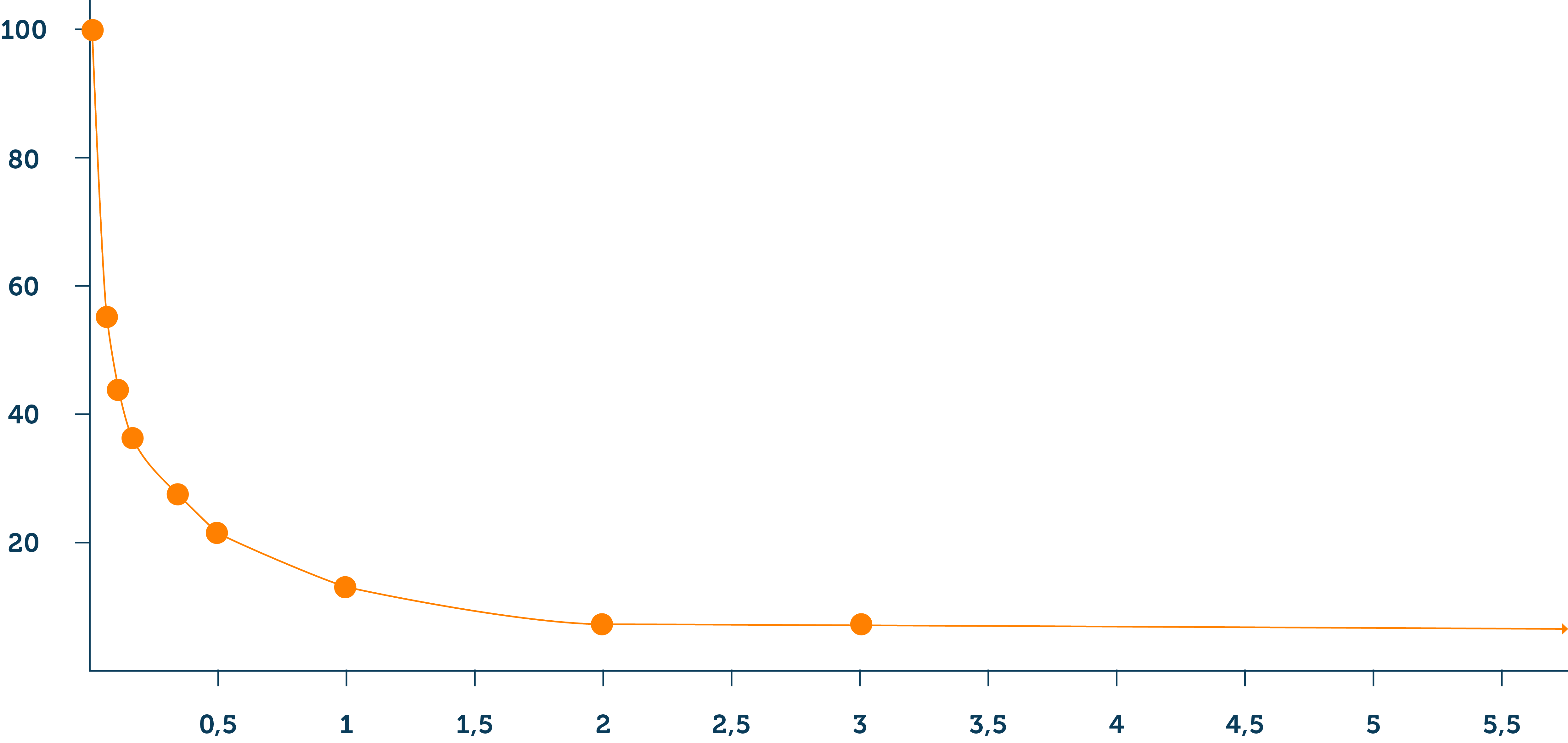
More than 90 % of the Biolinker is eliminated from the bone graft substitute within three hours of grafting(1) and excreted through urine within 1-3 days (2-5). As the Biolinker is removed, the bone graft hardens at the defect site ensuring the graft stays in place.
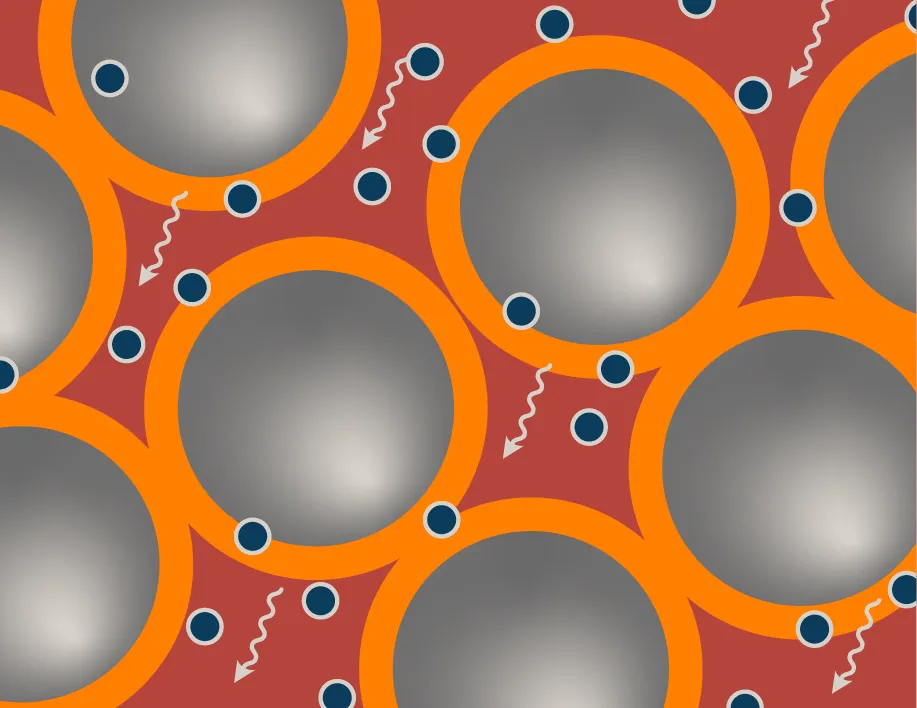
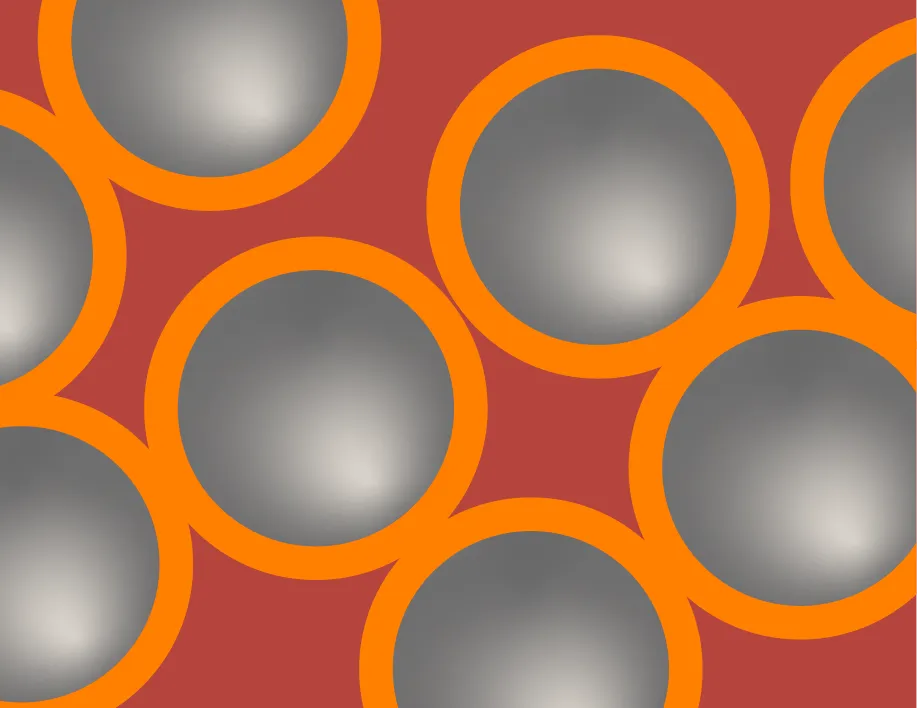
>90 % of BioLinker
is removed within 3 hours.
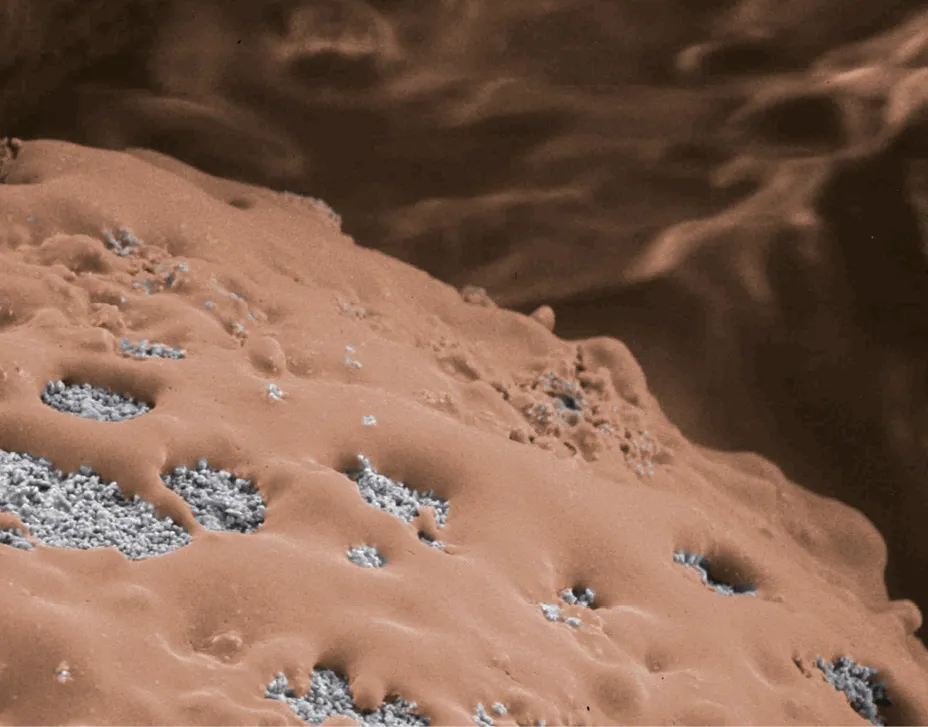
During resorption
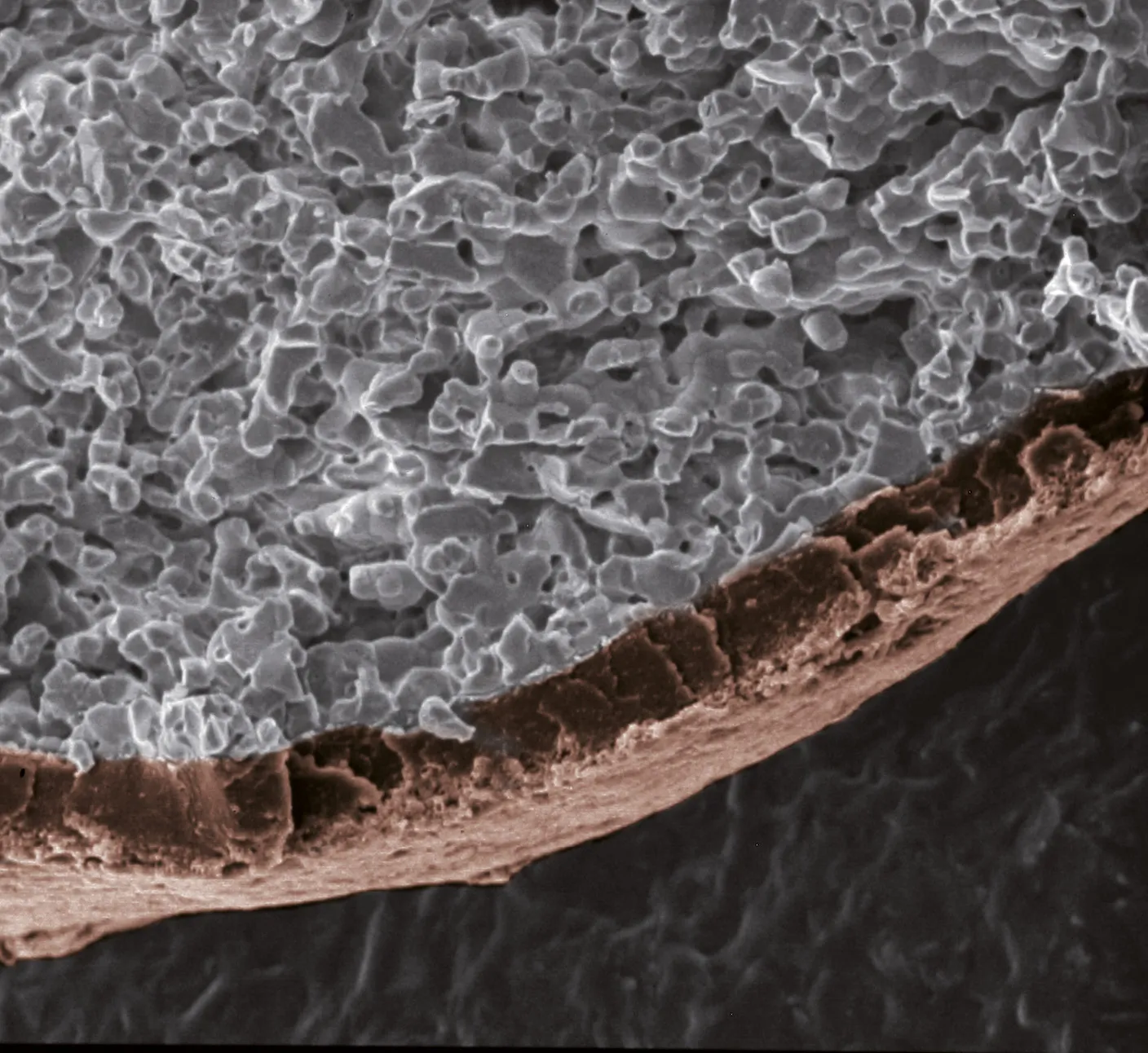
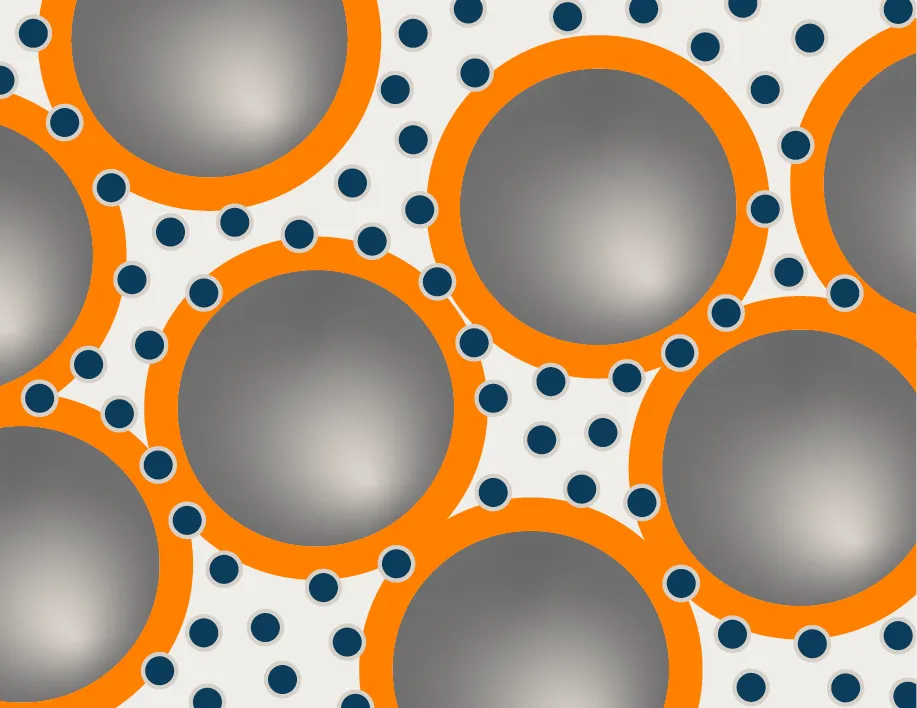
Colored electron microscope image of GUIDOR® easy‑graft CRYSTAL+ showing resorption of the PLGA coating (orange) and exposure of biphasic calcium phosphate (white).
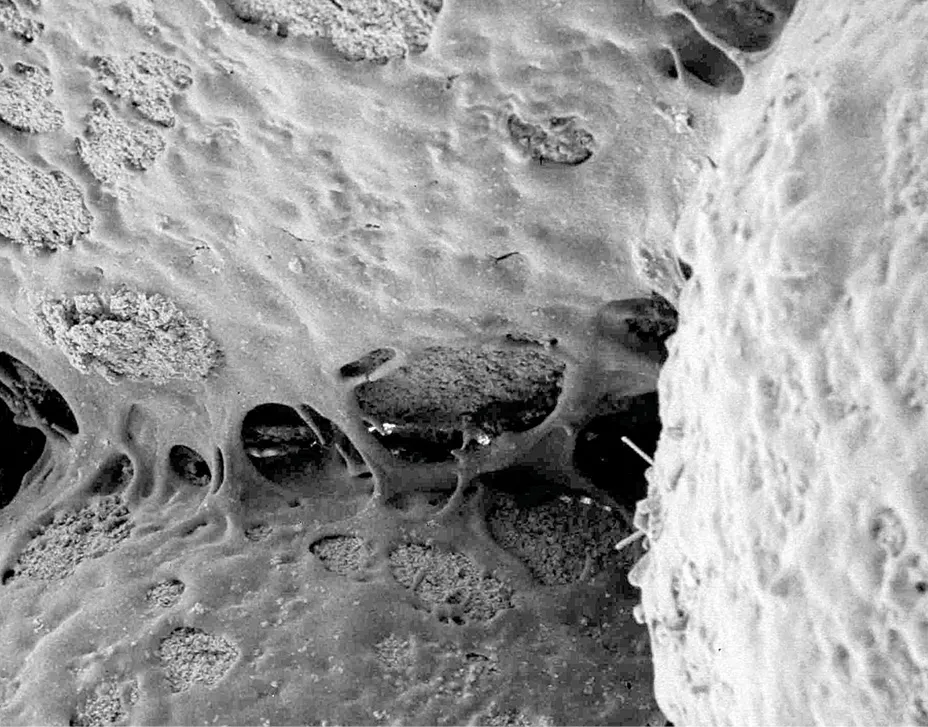
PLGA resorption
Electron microscope image from an in vitro degradation study
Clinical Evidence
Supported by extensive preclinical
and clinical evidence.
GUIDOR® easy‑graft is supported by numerous in vivo, preclinical and clinical studies covering a wide range of indications, including ridge preservation, sinus floor elevation and peri-implant defect regeneration.
Explore publications and clinical studiesGet tailored clinical insights on GUIDOR® easy‑graft for your practice.
Request information on indications, handling tips, and material options for your needs.
Contact us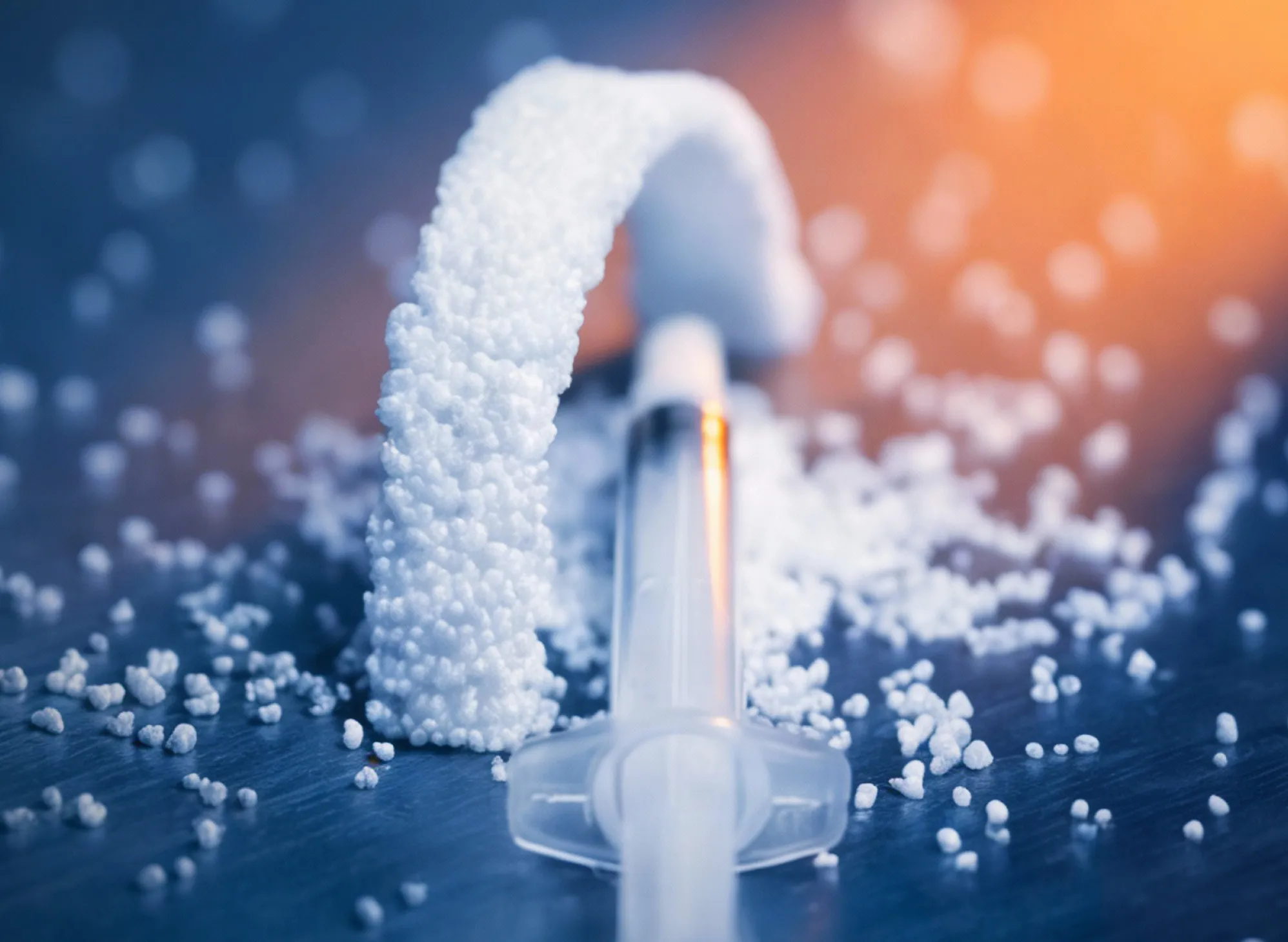
Solutions at a glance
|
CLASSIC
|
CLASSIC+
|
CRYSTAL+
|
|
|---|---|---|---|
| Composition | Phase-pure ß-tricalcium phosphate (> 99 %) |
Biphasic calcium phosphate (60 % hydroxyapatite / 40 % ß-TCP) |
|
| Granule Size |
500 – 630 μm (0.15ml) 500 – 1000 μm (0.25 and 0.4ml) |
450 – 630 μm (0.15ml) 450 – 1000 μm (0.25 and 0.4ml) |
|
| Granule Shape | Round | Irregular | Irregular |
| Indications for Use |
|
||
| Product Codes – Single Pack | |||
|
0.15 ml
0.25 ml 0.4 ml |
C11-015
C11-075 C11-005 |
C11-115
C11-175 C11-105 |
C15-115
C15-175 C15-105 |
| Product Codes - Pack of three | |||
|
0.15 ml
0.25 ml 0.4 ml |
C11-012
C11-072 C11-002 |
C11-112
C11-172 C11-102 |
C15-112
C15-172 C15-102 |
| Availability | USA | EU only | |
FAQ
What is the difference between GUIDOR® easy‑graft CLASSIC and CRYSTAL+?
GUIDOR® easy‑graft CLASSIC+ contains phase-pure ß-tricalcium phosphate (ß-TCP) and is resorbed over a period of 5-15 months. GUIDOR® easy‑graft CRYSTAL+ contains biphasic calcium phosphate (60 % hydroxyapatite, 40 % ß-TCP). It is partially resorbable. The BCP serves as a stable scaffold for long-term volume preservation and gets embedded into new bone.
GUIDOR® easy‑graft CLASSIC+ and GUIDOR® easy‑graft CRYSTAL+ – How do I decide which material is suitable in a specific case?
The topic of material selection is a matter of clinician and surgical planning preference. See timing/staging of dental implant.
GUIDOR® easy‑graft CRYSTAL+: Are there two types of granules (HA and ß-TCP) in GUIDOR® easy‑graft CRYSTAL+?
No. Every single granule consists of a compound of 60 % hydroxyapatite and 40 % ß-TCP.
Mixing with BioLinker: How long should GUIDOR® easy‑graft granules be in contact with the BioLinker in the syringe?
The granules must be completely wetted with BioLinker. A complete wetting can be achieved by moving back and forth the plunger and the plug 1 – 3 times. Typically this takes around 20 – 40 seconds.
Should defects be overfilled?
No, overfilling is not recommended.
How should GUIDOR® easy‑graft material be condensed?
Experienced GUIDOR® easy‑graft users use various aids such as flattened stoppers or the plunger of the GUIDOR® easygraft applicator syringe. Over larger areas the material can be evenly condensed by pressing down a piece of gauze (moistened with physiological saline solution) with the finger for 10 – 30 seconds.
Can GUIDOR® easy‑graft products be used in combination with dental membranes?
Yes, it is at the discretion of the practitioner.
When would the use of a membrane be recommended?
GUIDOR® easy‑graft products are stable and do not require a membrane for containment in 3 or 4 walled defects. Flat (non-concave defects with limited walls) and defects of a critical size may require the additional support of a barrier membrane. Sites where a full thickness periosteal relieving flap is created may also benefit from a barrier membrane for exclusion of soft tissue ingress. The decision to use a membrane is part of therapy planning and is the responsibility of the practitioner.
Can GUIDOR® easy‑graft products be mixed with autogenous bone or bone graft substitutes or with preparations such as BMP-2 and Enamel matrix proteins in the application syringe?
No, mixing GUIDOR® easy‑graft products with autogenous bone chips or foreign materials will cause the material to harden prematurely in the syringe, or will prevent the material from hardening in the defect. This means that GUIDOR® easy‑graft products will lose their unique handling advantage.
Does GUIDOR® easy‑graft adhere to the bone surface?
No. GUIDOR® easy‑graft products do not adhere to tissue and do not contain adhesives. The granules adhere to one another and form a mouldable mass because of the coating of the granules with PLGA (“sticky granules”).
Can GUIDOR® easy‑graft products be ground down after hardening?
Grinding down is not recommended. The effect of the rotary forces may cause the graft to loosen in the defect, which may endanger the bone regeneration. Excess material should be removed before hardening (e.g. with a curette).
Is it necessary to cover the material with soft tissue after socket grafting?
No, the material will also heal in place without a soft-tissue cover. The material surface should be well condensed during socket preservation. The application of retention may be useful depending on the shape of the extraction socket. A temporary restoration serves to protect the graft surface from the tongue and foodstuffs. For examples of applications see the Sunstar GUIDOR® guidebook for ridge preservation.
When can an implant be placed after using GUIDOR® easy‑graft products to fill the extraction sockets?
GUIDOR® easy‑graft products are osteoconductive bone graft substitutes. The time of implant placement can be selected in accordance with experience with comparable materials (e.g. ß-TCP granules, bone replacement materials of bovine origin). A definite answer to this common question cannot be given, because the regeneration of bone depends on the anatomical and physiological conditions at the extraction site, and the time of implant placement depends on the treatment philosophy.
Can an implant be placed immediately with subsequent filling of the defect with GUIDOR® easy‑graft?
Yes, peri-implant gaps and bone deficiencies around implants with primary stability can be filled with GUIDOR® easy‑graft products.
Can GUIDOR® easy‑graft products be used for fixing implants without primary stability?
No. Implants must be anchored in local bone with primary stability. GUIDOR® easy‑graft products are suitable for filling bone deficits around implants anchored in pristine bone.
Are GUIDOR® easy‑graft materials radio opaque?
Yes, GUIDOR® easy‑graft CLASSIC+ and GUIDOR® easy‑graft CRYSTAL+ are both opaque to x-rays.
How long do GUIDOR® easy‑graft products remain stable in the body?
The adherence of the granules is determined by the PLGA coating. It is resorbed over a period of 3 – 6 weeks. During this period, the strength of the material gradually decreases.
Does the volume of GUIDOR® easy‑graft change during the healing process?
During the initial phase of degradation, easy‑graft CLASSIC+ may swell by taking up body fluids, thus supporting a close contact to the surrounding bone tissue. When applied in larger defects, this might result in slight sensation of pressure by the patient.


